Why Fresh Paint Won’t Hide Moisture Damage
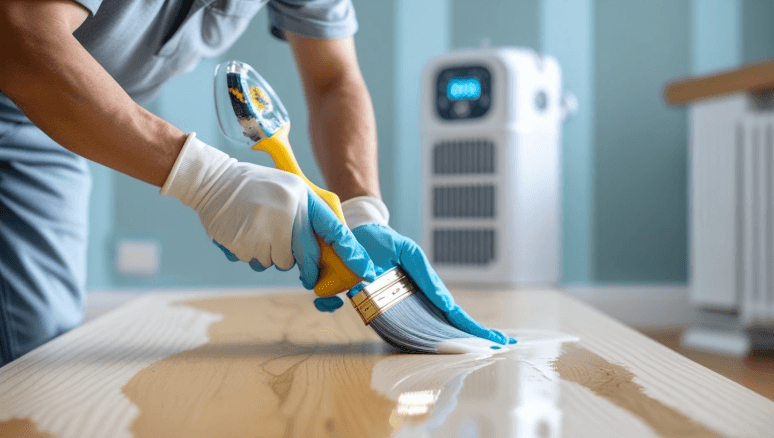
When you notice a stain or peeling on your wall, you want to use a roller brush and add a fresh coat of paint. This approach seems easy and effective to restore your home’s appearance. However, paint is just a temporary fix to an ongoing issue.
If you paint directly over wet or damaged drywall without addressing the underlying cause, the problem is likely to get worse. Home maintenance involves looking beyond appearances. In this case, the best solution is to do water damage prevention first.
Why a Quick Fix Does Not Work
Homeowners tend to view wall stains as just surface problems. They believe expensive, strongly pigmented paint will make the stain disappear forever.
- Paint is absorbent: Normal paints permit air moisture to penetrate slowly. When moisture gets trapped behind the wall and expands, it presses on the newly painted layer.
- Incompatible chemicals: Paints based on water used on wet spots do not have enough bonding power.
- Removing the signs: When you hide the visible signs, you cannot monitor the location and development of the leak.
Painting a wet surface means trapping moisture and steam inside the drywall or wood. It becomes the perfect habitat for mold and rotten wood, which are invisible to the naked eye.
What Happens Behind the Painted Wall?
To understand why painting moisture does not work, you must consider the building materials. Materials such as drywall, wood framing, and insulation behave like sponges. If your roof, plumbing, or windows leak, materials like drywall, wood, and insulation will soak up the water. These materials can swell, warp, or even grow mold if you don’t address the moisture. Stop the leak and let everything dry completely before repairing or painting over any damage.
Trapped Moisture and Building Deterioration
Once a new layer of paint seals off the surface, the trapped moisture has no way to evaporate back into the room. Moisture accelerates the deterioration of organic materials. Wood framing begins to decompose and is no longer able to carry the load. Drywall becomes soft and crumbly, thus losing its stability.
Hidden Mold Growth
Mold grows in dark, wet, and enclosed spaces. The hidden space between your wet wall and new paint layer is ideal for mold growth. After only 24 to 48 hours of moisture, spores of mold can start growing.
- Health Risks: Your hidden mold gives off spores, which spread through your HVAC system, causing asthma and allergic reactions.
- Aesthetic Damage: Within weeks, you will start seeing signs of mold growth, like bubbling, cracking, and fuzzy black and green spots on your perfectly painted walls.
Signs You Have Moisture Damage Instead of a Simple Stain
Before any repainting or cosmetic work, inspect the problem area thoroughly. Watch out for these signs of water damage:
- Paint bubbling/blistering: This occurs when moisture vapor is trapped directly behind the paint layer, causing it to peel from the wall.
- Musty odor: The smell of dampness or soil usually indicates the presence of hidden mold or rotten wood framework nearby.
- Softer than usual drywall: Touch the wall and see how soft it is. If the wall feels mushy like paper, it is highly saturated.
- Colorful rings: Brown, yellow, or copper-colored rings of moisture that increase in size over time indicate an ongoing leak.
How to Address Water Damage
An effective home care process requires a clear sequence: locate the source, dry the area thoroughly, repair the structure, and paint. Skipping steps can waste your time and money.
Step 1: Find and Eliminate the Source
You can’t fix water damage until you stop the water from coming in. Inspect for roof leaks, faulty plumbing, poor window seals, or condensation. If you can’t find the source, consult a leak detection expert.
Step 2: Dry and Dehumidify:
After stopping the leak, dry the soaked framing and drywall completely.
- Industrial fans and high-capacity dehumidifiers will help remove moisture from the construction materials.
- Measure moisture levels with a digital moisture meter to bring the framing moisture content down to its baseline level.
Step 3: Removal and Replacement of the Compromised Part
If your drywall is cracking, is soaked, or severely affected by mold, you cannot restore it. You must remove it and replace it with new drywall. If there is only a trace amount of moisture but the drywall is completely dry, make sure that you have a clean, sound surface to work on.
Step 4: Apply the Right Primer
Do not apply a standard type of primer on the water stain. Get an oil-based or shellac-based stain blocker. These primers seal the surface pores, prevent water-soluble tannins from staining, and create an excellent bond between this layer and the finish paint.
See also: Electrical Upgrades That Add Value to Eastern Suburbs Homes
Building Long-Term Home Resilience
Protecting your property demands an anticipatory attitude. Modern property maintenance involves early warning signs and moisture prevention.
- Inspect Your Roof Seasonally: Examine your roof for missing tiles, damaged flashing, and blocked gutters that will let water flow down from your siding.
- Monitor your plumbing fixtures: Check under sinks and around water heaters for leaks and corrosion in pipe joints.
- Maintain Proper ventilation: Make use of exhaust fans in bathrooms and kitchens to maintain a correct humidity level indoors, to avoid condensation on walls.
With an understanding of building materials and water damage prevention, your property will be safe, durable, and beautiful for many years to come.