Why Manufactured Homes Need a Different Smoke Defense Strategy
The Gaps Between Siding Panels That Nobody Talks About
Most homeowners assume that a mobile home seals up the same way a site-built house does, with the same weatherstripping, the same window fit, and the same general resistance to outside air. That assumption falls apart the moment wildfire season arrives and smoke starts working its way through gaps that were never built to stop it. Manufactured homes are constructed with lighter framing, thinner wall cavities, and skirting that leaves a ventilated crawlspace underneath the structure. That crawlspace, combined with the way units are joined at the marriage line in double-wide configurations, creates entry points for particulate matter that a conventional house simply doesn’t have in the same volume.
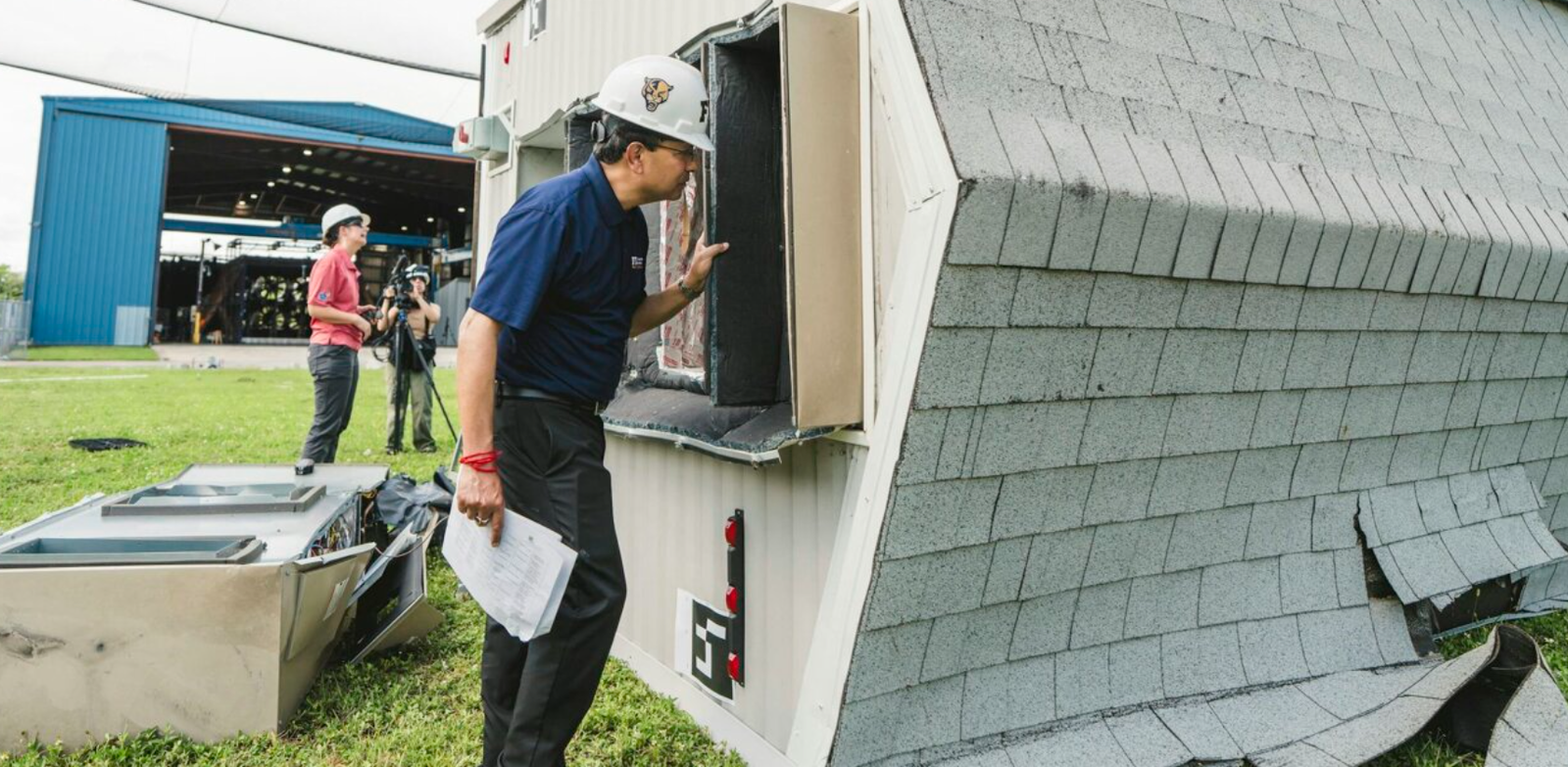
The exterior cladding on most mobile homes is vinyl or aluminum panel siding, and while it does a reasonable job against rain and wind, it was never engineered as a smoke barrier. Seams between panels, utility penetrations, and the transition zones around skirting all allow fine particulate to drift inward during heavy smoke events. Homeowners in wildfire-prone regions of California, Oregon, and parts of the Mountain West have started noticing a haze settling indoors even with windows shut, and the explanation usually traces back to these structural gaps rather than anything wrong with the HVAC system. Sealing these points helps, but it rarely eliminates the problem entirely.
Older units present an even tougher case, since skirting material degrades over years of sun exposure and temperature swings, and small cracks form along panel edges that were caulked decades ago. Inspecting these seams before fire season starts gives homeowners a realistic sense of how much outside air is actually getting through, rather than guessing based on how new the home looks from the outside. Some residents find that the marriage line between sections has shifted slightly as the home has settled, widening gaps that were tight when the unit was first installed. None of this means the home is unsafe in general, but it does mean the usual assumptions about sealed interiors don’t hold up the same way they would in a house built on a permanent foundation.
Matching Filtration to the Realities of a Manufactured Home Envelope
Once the exterior gaps are acknowledged, the next step is figuring out how to manage the air that does get inside, and this is where filtration becomes the more realistic fix compared to chasing every seam with caulk. Many manufactured home owners default to furnace filters rated for dust and pollen, not realizing that wildfire smoke particles are considerably smaller and require a different tier of filtration entirely. A standalone unit designed specifically for combustion particulate tends to outperform whole-house furnace filters in these situations, particularly in homes where the HVAC system wasn’t sized with smoke infiltration in mind. For anyone comparing options, looking into air purifiers for wildfire smoke is a practical starting point, since the units tested for actual wildfire smoke conditions rather than generic indoor allergens.
Price and noise level matter, but so does square footage coverage, because mobile homes often have open floor plans that funnel air from one end of the structure to the other through a single central hallway. A unit sized for a 300 square foot bedroom won’t do much in a living space connected to a kitchen and dining area with no doors separating them. The occupational research on this is fairly consistent: guidance built around NIOSH occupational air quality standards emphasizes continuous air exchange rates rather than one-time filtration, which matters for residential settings experiencing smoke events that last for days rather than hours.
Maintenance schedules for these units also need adjusting during active fire seasons, since filters clog faster under heavy particulate load than manufacturers’ default timelines suggest. Checking filter saturation every two to three weeks during a prolonged smoke event, rather than waiting for the standard three-month replacement window, keeps the unit operating at its rated efficiency. Combined with basic envelope sealing around skirting and panel seams, this approach gives manufactured home residents a realistic path to breathable indoor air during a season that otherwise leaves them with few good options.
Residents who pair a well-sized purifier with a simple schedule of filter checks tend to report fewer symptoms during peak smoke days, from scratchy throats to headaches that often go unexplained until someone measures indoor particulate levels directly. Portable air quality monitors, now inexpensive and widely available, let homeowners see whether their efforts are actually working rather than relying on guesswork. Keeping a log of readings across a smoke season also helps identify which rooms need extra attention, since bedrooms near exterior walls often show higher particulate counts than interior living spaces.