Revolutionizing Industrial Monitoring with Modern Technology
Introduction to Advanced Imaging Solutions
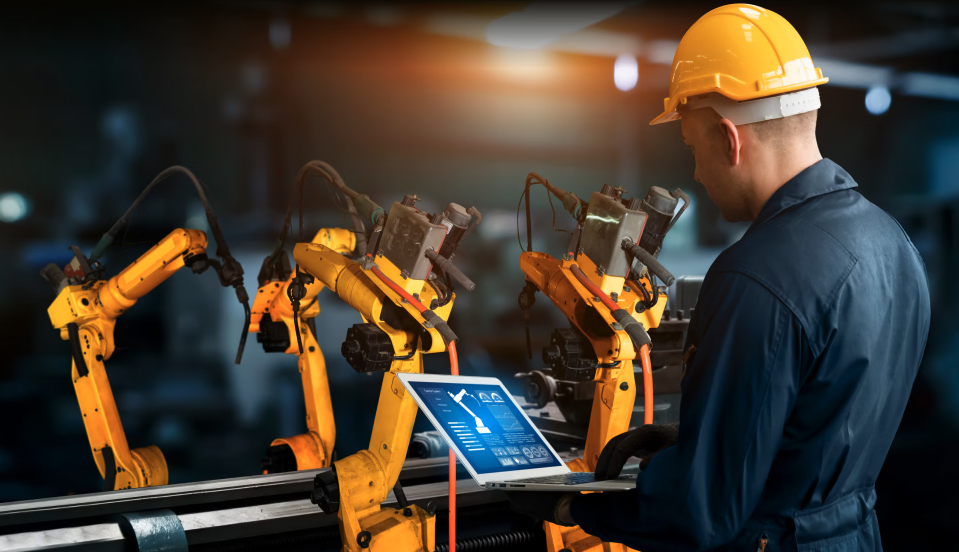
In contemporary industries, precision and efficiency are essential to maintaining a competitive edge. Technology has provided numerous solutions, one of which is advanced imaging for monitoring industrial processes. With the rise of modern equipment and complex systems, having the ability to detect issues before they escalate is invaluable for businesses across various sectors.
The Value of Thermal Monitoring
Thermal imaging is a crucial tool in identifying temperature variations that may indicate inefficiencies or potential failures. By visualizing heat patterns, organizations can prevent equipment breakdowns, maintain safety standards, and ensure smooth operations. This approach allows for early detection of faults in electrical systems, mechanical machinery, and even structural components.
Applications in Industrial Maintenance
Industries ranging from manufacturing to energy rely on thermal imaging for preventive maintenance. In electrical systems, it helps identify overheating circuits and faulty wiring. In mechanical equipment, it highlights areas with excessive thermal inspection camera friction or wear. The ability to spot these issues early reduces downtime and prevents costly repairs, ultimately protecting company assets.
Enhancing Safety and Compliance
Safety is a major concern in industrial environments. Thermal monitoring provides a non-contact method to inspect potentially hazardous equipment, protecting workers from injury. Regular inspections help maintain compliance with industry regulations while ensuring that safety protocols are consistently followed.
Energy Efficiency and Cost Reduction
Thermal imaging contributes to energy management by detecting areas of heat loss or inefficient insulation. By addressing these issues, companies can improve energy efficiency, reduce operational costs, and support sustainability initiatives. This proactive approach not only saves money but also enhances overall environmental responsibility.
Integration with Smart Technologies
Modern thermal imaging tools often integrate with digital platforms and IoT networks, providing real-time data collection and analysis. Operators can track trends, generate reports, and make informed decisions based on historical and current performance. Such integration allows for centralized monitoring and faster response times in addressing potential problems.
Predictive Maintenance for Machinery
Traditional maintenance schedules may not always align with actual equipment performance. By using thermal imaging to monitor conditions, organizations can adopt predictive maintenance strategies. This ensures that interventions are made only when necessary, increasing efficiency and extending the lifespan of machinery.
Training and Expertise for Effective Usage
Using thermal monitoring technology effectively requires specialized knowledge. Operators must be trained to interpret thermal data accurately, recognize abnormal patterns, and take appropriate action. Proper training ensures that companies maximize the benefits of their investment while avoiding misinterpretation or errors.
Remote and Hazardous Area Inspections
Some industrial environments are difficult or unsafe for manual inspections. Thermal imaging allows for remote monitoring of such areas, reducing risk to personnel while maintaining accurate inspection records. This capability is particularly valuable in high-voltage zones, confined spaces, or areas with extreme temperatures.
See also: Driving Business Success With Technology 3894834972
Improving Quality Control
Thermal imaging can also support quality assurance processes by identifying inconsistencies in materials or production processes. Monitoring heat distribution during manufacturing helps detect defects early, ensuring products meet high standards and reducing the risk of returns or recalls.
Future Developments in Thermal Imaging
The technology behind thermal inspection cameras is rapidly advancing. Enhanced sensors, AI-powered analysis, and integration with smart systems promise more accurate and efficient monitoring. Future innovations are likely to make predictive maintenance even more precise, saving time and resources while improving operational reliability.
Conclusion
The adoption of thermal inspection cameras has transformed industrial monitoring and maintenance practices. By offering early detection of faults, improving energy efficiency, and supporting remote inspections, these tools play a vital role in modern operations. Businesses that leverage this technology gain a strategic advantage, ensuring safety, efficiency, and long-term sustainability.