Rising Damp vs Penetrating Damp: Key Signs for Yorkshire Homeowners
Rising damp and penetrating damp signs in Yorkshire homes
Damp in homes can be the silent enemy lurking within the walls of your beloved Yorkshire home. It creeps up slowly but can cause damage that may cost a small fortune if not addressed. The region’s older properties, with their character and charm, often face this menace, threatening both the structure and the health of the occupants. Recognising the difference between rising damp and penetrating damp is crucial for effective management and repair.
Ever wondered why you have a internal walls or your walls have those unsightly marks, black mould or why there’s a persistent musty smell? Could it be that your home is trying to tell you something about hidden damp issues? These are the main warning signs
Is it Rising Damp, Condensation or Mould?
- Rising damp, Book a Damp Survey and penetrating damp have distinct characteristics and causes
- Yorkshire’s older homes are particularly susceptible to mould and damp problems due to their construction and age
- Visual indicators, odours, and structural signs can help identify damp issues
- Yorkshire’s climate plays a significant role in the development of damp
- Professional damp proofing and regular maintenance are key to managing these issues
Understanding Damp in Yorkshire Properties
For homewoners across Pontefract, Leeds, Castleford, Wakefield, Whetherby and surrounding areas, Damp is more than just an inconvenience; it’s a serious issue that can impact the integrity of your home and the health of its inhabitants. Yorkshire, with its rich architectural heritage, has many older homes that are particularly vulnerable to damp problems. Understanding what a damp is, and why it’s a concern, is the first step in tackling it effectively.
What is Damp and Why It’s a Concern for Yorkshire Homes
Damp refers to the presence of unwanted moisture within a building’s structure, and it poses significant risks to your home’s structural integrity. When moisture levels rise unchecked, it can lead to the weakening of walls, floors, and even the foundation. For Yorkshire homeowners, this is particularly concerning, given the region’s abundance of older properties, which are more susceptible to such issues due to their age and construction materials.
Furthermore, damp is not just about structural damage. It can be a catalyst for health problems, too. Damp-induced mould growth is a common issue that can cause respiratory problems, allergies, and other health concerns, particularly in vulnerable individuals. The damp problems in homes are not just a matter of aesthetics or comfort; they are potentially hazardous if left unresolved.
Yorkshire homes, with their unique charm and character, often face these challenges. The region’s older buildings are more prone to moisture ingress due to outdated or worn-out damp proof courses. Conducting a damp survey can be an essential step for homeowners to identify and address these issues promptly, avoiding costly repairs down the line.
The Difference Between Rising Damp and Penetrating Damp
Understanding the difference between rising damp and penetrating damp is crucial to addressing the problem effectively. Rising damp typically affects the lower parts of walls and floors. It occurs when water from the ground rises through the structure, defying gravity and moving upwards through porous building materials. This can often happen when there’s a failure or absence of a damp proof course, a protective barrier designed to prevent such moisture movement.
On the other hand, penetrating damp is caused by external factors. It usually occurs on walls and ceilings following rainfall, as water from the outside breaches the building envelope. This could be due to faulty gutters, cracks in the external walls, or any weaknesses that allow water ingress. Unlike rising damp, which is generally confined to lower regions, penetrating damp can appear virtually anywhere, depending on the source of the leak.
Both types of damp require different approaches for resolution. For rising damp, addressing the ground moisture and ensuring a robust damp proof course is vital. Conversely, penetrating damp requires attention to the building’s external integrity, such as fixing leaks and ensuring proper drainage. Knowing these differences allows homeowners to take appropriate action and prevent further damage.
Key Signs of Rising Damp You Shouldn’t Ignore
Rising damp may be sneaky, but it often leaves tell-tale signs that are hard to ignore. Recognising these indicators early can save you from a heap of trouble and expense. So, what should you be on the lookout for?
Visual Indicators: Stains, Tidemarks, and More
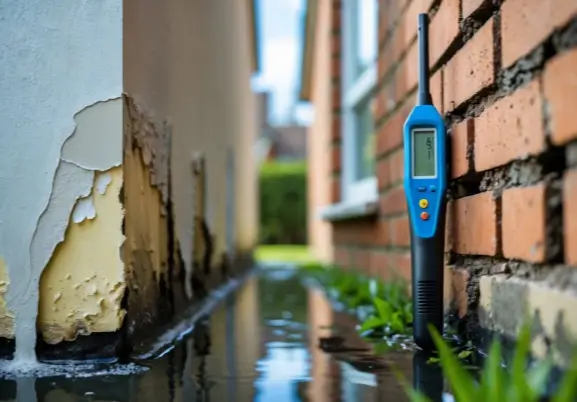
When it comes to spotting rising damp, your eyes can be your best tool. One of the most obvious signs is tidemarks on walls. These horizontal stains signal moisture is rising from the ground and can reach up to a metre high. If you notice yellow or brown stains on walls, they could very well be the result of rising damp. These patches are often due to water damage as moisture pushes through the paint and plaster.
Crumbling plaster is another common indicator. As moisture seeps in, it can cause the plaster to lose its adhesion, leading to it flaking or even falling off. You may also notice a white powdery residue on walls; this is due to salts in the plaster being brought to the surface by the moisture. These damp patches and water damage can significantly affect the aesthetics of your home, making it crucial to address them promptly.
Detecting Damp Odours in Your Property
Your nose can also be a powerful ally in detecting rising damp. A musty smell is often the first olfactory clue that something is amiss. These damp odours usually become more pronounced in enclosed spaces, such as under stairs or in poorly ventilated areas. If you’re noticing a persistent damp smell, it could suggest a significant moisture problem lurking within.
In cases where the smell of damp becomes overwhelming, it is crucial to investigate further. Often, these odours are caused by the onset of mould, which thrives in moist conditions. Condensation may also contribute to the issue, particularly in homes with limited ventilation. If you’re in Leeds or nearby areas, where older properties are common, it’s essential to be vigilant about these signs and seek help if needed.
Structural Signs: Peeling Paint and Wallpaper
Rising damp doesn’t just affect the air quality or aesthetics; it can also cause significant structural issues. One of the most visible signs is peeling paint. When moisture becomes trapped beneath the surface, it weakens the paint’s adhesion, causing it to peel or bubble. This is particularly common in older Yorkshire homes, where porous building materials are prevalent.
Bubbling or peeling wallpaper is another sign that should raise red flags. This indicates water damage beneath the surface, often due to rising damp. If left untreated, these damp patches can lead to more extensive decorative damage, requiring costly repairs. It’s crucial to address the underlying moisture levels before attempting any cosmetic fixes, as they will only offer a temporary solution.
See also: Transforming Spaces with an Interior Design Studio
Spotting Penetrating Damp: What to Look For
While rising damp often makes its mark on the lower sections of your home, penetrating damp can strike almost anywhere. It’s the result of water ingress through the building’s external envelope, and understanding the common areas affected can help you catch it early.
Common Areas Affected by Penetrating Damp
Penetrating damp often makes its presence known on walls and ceilings. Areas near windows and doors are particularly vulnerable, as these points often have weaker seals that can allow water ingress. Chimneys and rooflines are other common sites where damp problems may arise, especially after heavy rain.
If you notice a damp wall or damp patches appearing in seemingly random locations after a downpour, it could be an indication of penetrating damp. These common damp areas need to be closely monitored, especially in regions like Yorkshire, where the climate can be particularly unforgiving. Regular checks and maintenance can help prevent minor issues from escalating into major problems.
Identifying External Sources of Damp Problems
The key to tackling penetrating damp in your Yorkshire home lies in identifying its external sources. Faulty gutters and downpipes are frequent culprits, as they can allow rainwater to pool and seep into the building. Cracks in external walls also pose a risk, providing an easy entry point for water. If you’re in Leeds or another Yorkshire area, where rainfall is not uncommon, it’s vital to keep an eye on these potential problem spots.
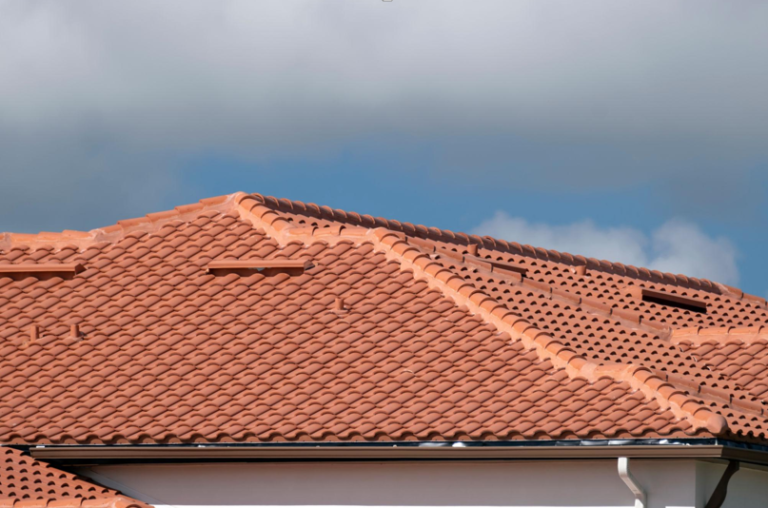
Blocked drains can exacerbate the issue, causing water to accumulate against walls, increasing the risk of ingress. Similarly, poorly maintained roofs, with missing or damaged tiles, can be a significant source of penetrating damp. Regular inspections and timely repairs can prevent rainwater and ground moisture from becoming a serious threat to your home.
Recognising Internal Damp Signs in Your Property
Internally, penetrating damp can manifest in several ways. Damp patches that appear long after the rain has stopped are a classic sign. These patches can be indicative of water trapped within the walls, slowly seeping through the internal structure. If you notice mould growth on walls and ceilings, it may suggest a more serious case of penetrating damp.
Watermarks on interior walls often point to an ongoing damp problem that needs attention. These marks, coupled with a persistent musty smell indoors, can be a strong indicator of external water ingress. Conducting a damp survey can help identify the severity of the issue and guide you in taking appropriate action to rectify it.
Damp Proofing Solutions for Older Yorkshire Homes
Older homes in Yorkshire, with their unique architectural features, often require more specialised damp proofing solutions. These properties, while charming, can be more vulnerable to moisture ingress due to their age and construction regardless of the weather .
Professional damp proofing treatments are one of the most effective ways to protect your property. These treatments can include the installation of a new damp-proof course, which prevents rising damp by creating a barrier that stops ground moisture from moving upwards. For penetrating damp, external waterproofing solutions can be employed to seal the building envelope and prevent water ingress.
Regular maintenance of gutters and drains is also essential in reducing damp risks. Ensuring that rainwater is effectively directed away from the property can prevent water pooling and subsequent ingress. A professional surveyor can provide valuable insights and recommendations tailored to your home’s specific needs, helping to safeguard your property against future damp problems.
When to Call an Expert: Identifying Serious Damp Problems
While some damp issues can be managed with DIY solutions and regular maintenance, there are times when it’s best to call in the experts. Persistent damp problems that don’t respond to initial treatments may require a professional assessment. Searching the internet for damp proofing Pontefract or surrounding towns should give you a few professional companies to choose from.
Structural damage resulting from damp is a serious concern that demands expert intervention. If you notice signs of timber decay or significant water damage, it’s time to consult a professional. Health concerns related to mould growth, especially if they affect vulnerable individuals, also suggest the need for specialist help.
Unresolved damp and condensation problems can also benefit from expert advice. A professional damp survey can provide a comprehensive assessment of the issue, identifying underlying causes and recommending effective solutions. For Yorkshire homeowners, addressing these problems promptly can prevent costly repairs and ensure a healthy living environment.
In conclusion, understanding the nuances of rising damp versus penetrating damp is crucial for Yorkshire homeowners. By recognising the signs and taking appropriate action, you can protect your home and health from the damaging effects of damp. Has your home been showing any of these signs, and what steps have you taken to address them? Join the conversation and share your experiences or questions in the comments below.
Frequently Asked Questions
How do you know if damp is rising or penetrating?
Rising damp typically starts from the ground up, affecting walls up to a metre high. Look for tide marks, peeling paint, or damp patches low on walls. Penetrating damp, on the other hand, occurs when water seeps through walls, leading to damp patches that can appear anywhere, often after heavy rain. This type of damp doesn’t rise from the ground but instead moves horizontally. Yorkshire homeowners should inspect their property’s exterior for damaged gutters or leaks, which might be causing penetrating damp.
Is it illegal to sell a house with rising damp?
Selling a house with rising damp isn’t illegal in the UK, but you must disclose it to potential buyers. Failing to do so can lead to legal issues, especially if the buyer discovers the problem after purchase. It’s a good idea to either address the damp issues before putting the house on the market or adjust the asking price accordingly. Transparency helps maintain trust and ensures smoother transactions, protecting both parties from future disputes.
How to tell if your house has rising damp?
To identify rising damp, check for tell-tale signs like musty odours, crumbling plaster, or peeling wallpaper near the base of your walls. You might also notice skirting boards starting to decay. Rising damp often leaves a distinct tidemark on walls. Use a moisture meter to confirm suspicions, as it measures the moisture content in walls. If you’re uncertain, consulting a damp specialist can offer a more definitive diagnosis and suggest appropriate remedies.
What can be mistaken for rising damp?
Several issues can mimic rising damp, such as condensation or penetrating damp. Condensation often results in mould growth, especially in poorly ventilated areas like bathrooms or kitchens. Poor ventilation or heating can also cause similar symptoms. It’s crucial to identify the correct cause, as treatments for rising damp won’t address these other problems. If in doubt, seek professional advice to correctly diagnose and resolve the issue, ensuring your home remains dry and damage-free