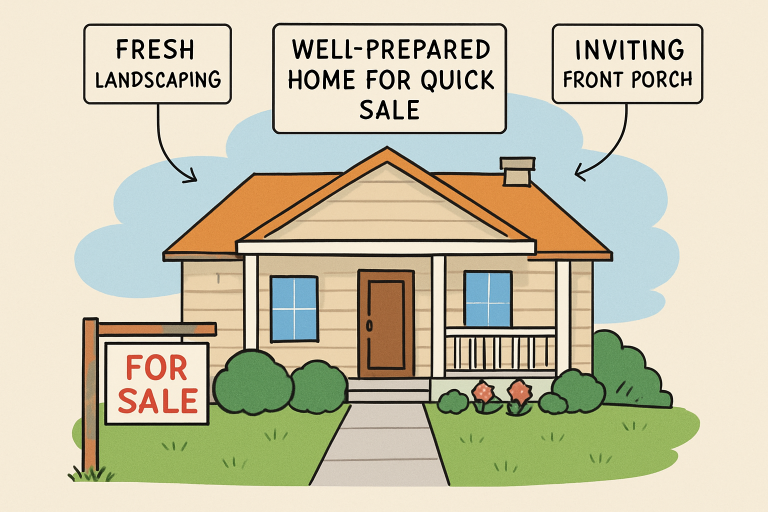
Common Challenges Builders Face When Developing Spec Homes
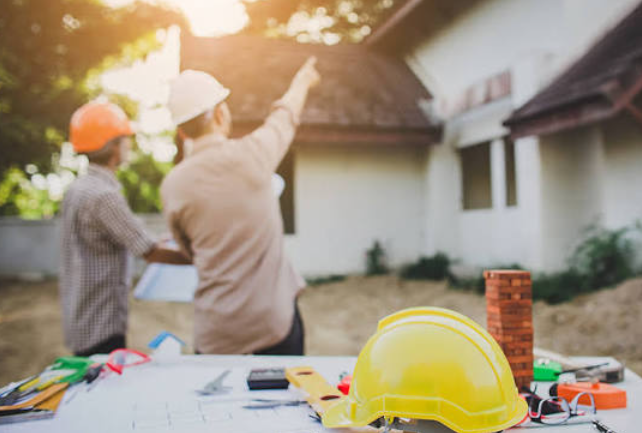
Residential construction can create valuable opportunities for builders and real estate investors, but developing a property before finding a buyer also involves significant responsibilities. Builders must make decisions about land, design, materials, contractors, construction schedules, and financing without having a specific purchaser guiding the process. If these decisions are not carefully managed, the project may experience delays, unexpected expenses, or difficulty attracting buyers.
Understanding common challenges before construction begins can help developers prepare practical solutions. Some problems are related to the building process, while others arise from market conditions and financial planning. A builder who identifies potential risks early can create a more realistic budget, establish a suitable schedule, and make better decisions throughout the development process.
Uncertainty About Buyer Demand
One of the biggest challenges is predicting what buyers will want when the property is ready for sale. A builder may believe that a particular floor plan, exterior style, or set of finishes will attract attention, but local preferences can change.
A design that appeals to buyers in one neighborhood may not be suitable for another. Some purchasers may prioritize affordability and practical room arrangements, while others may look for larger kitchens, additional bedrooms, garages, or outdoor living areas.
Builders can reduce this uncertainty through market research. Reviewing comparable sales, active listings, local demographics, and buyer feedback can provide useful information. Conversations with real estate professionals may also help identify features that are important in the target area.
The objective is not to predict every buyer’s preference. Instead, developers should make informed decisions that allow spec homes to appeal to a suitable group of potential purchasers.
Finding Suitable Land
Land selection can create challenges before construction even begins. A property may appear attractive because of its price or location, but hidden site conditions can increase development costs.
Builders should investigate soil quality, drainage, slope, access, utility connections, lot dimensions, and potential environmental restrictions. A site that requires extensive grading, retaining walls, or infrastructure improvements may be more expensive to develop than initially expected.
Zoning and building regulations must also be reviewed. Setback rules, permitted uses, height limits, parking requirements, and easements can affect the size and design of the planned house. Failing to identify these restrictions before purchasing land may result in delays or expensive redesign work.
Professional surveys, inspections, and local planning advice can help builders evaluate a site before making a final commitment.
Managing Construction Cost Increases
Construction budgets can change as a project develops. Material prices, labor rates, transportation expenses, and supplier availability may fluctuate. Unexpected site conditions can also require additional work.
Builders should prepare detailed estimates for land acquisition, permits, professional services, labor, materials, utilities, insurance, and other expenses. They should obtain quotations from multiple suppliers where practical and confirm how long quoted prices remain valid.
A contingency allowance is important because not every expense can be predicted accurately. The budget should also be reviewed regularly so that the builder can identify cost increases before they become difficult to manage.
Changing materials or specifications during construction can create additional expenses. Builders should establish a clear approval process for changes and evaluate their effect on both the budget and schedule.
Delays in Permits and Approvals
Construction cannot always begin immediately after land acquisition. Local authorities may require planning approvals, building permits, engineering documents, environmental reviews, and other information before work can proceed.
The approval process varies depending on the location and complexity of the project. Incomplete applications, missing documents, or design revisions can extend the review period.
Builders should identify all required approvals early and prepare a schedule that includes time for review and inspections. Working with architects, engineers, and contractors familiar with local regulations can help reduce avoidable problems.
The construction timeline should not be based on an overly optimistic approval date. Allowing sufficient time for administrative requirements can make the project schedule more realistic.
Finding and Coordinating Reliable Contractors
A residential project may involve several professionals and trades, including architects, engineers, general contractors, electricians, plumbers, roofers, painters, and flooring specialists. Coordinating these people can become difficult when responsibilities and schedules are not clearly established.
Builders should check contractor qualifications, licensing where required, insurance, references, and previous work. Written agreements should describe the scope of work, materials, payment arrangements, expected standards, and completion dates.
Communication is essential throughout the project. Contractors should understand when their work is expected to begin and which activities must be completed first. Delays in one trade can affect other stages of construction, so regular coordination helps prevent scheduling problems.
Maintaining Construction Quality
Quality problems can affect buyer confidence and create additional costs. Poor installation, unsuitable materials, incorrect measurements, and incomplete work may lead to defects that are difficult to correct later.
Builders should establish quality checks at important construction stages. Foundations, framing, roofing, insulation, plumbing, electrical systems, ventilation, windows, and drainage should be reviewed according to the project specifications and applicable requirements.
Documentation is also important. Keeping records of inspections, permits, materials, warranties, and approved changes can help answer questions from potential buyers.
Independent inspections may identify issues that are not immediately visible to the builder. Addressing problems early is generally easier than waiting until the property is complete.
Choosing the Right Design and Features
Builders must balance buyer appeal with construction costs. Adding premium finishes or specialized features may make a property look impressive, but these upgrades do not always increase its market value by the same amount.
The design should reflect the expected buyer and the price range of competing properties. Practical kitchens, useful storage, comfortable bedrooms, suitable parking, and flexible living areas may be more important than expensive decorative details.
Builders should also avoid designing a property that is significantly different from the surrounding neighborhood unless market research supports that decision. A house that is too large or expensive for its location may have a smaller group of potential buyers.
Financing and Cash Flow Pressure
Construction requires money before a property can generate sale proceeds. Builders may need to pay for land, permits, labor, materials, and professional services over several months. If expenses arise earlier than expected or the sale takes longer than planned, cash flow can become a major challenge.
A financing plan should be prepared before construction begins. Builders need to understand how much capital is required, when funds will be available, and how repayments will be handled.
The terms of builder loans should be reviewed carefully. Important details include interest rates, origination fees, loan duration, draw procedures, inspection requirements, repayment conditions, and extension options. Builders should also understand how much equity they need to contribute.
builderfinance.com offers financing options for builders and real estate investors, including residential construction loans and builder lines of credit. Its published information describes funding for different types of residential projects, subject to program requirements and borrower qualifications. <Cite refs={[“turn808510search0″,”turn808510search2”]}/>
Developers should compare available financing structures rather than choosing an option based only on the advertised rate. The total borrowing cost and the timing of funds are both important.
Managing the Risk of a Slow Sale
A completed property may not sell immediately. Buyer demand can change because of interest rates, employment conditions, housing inventory, or general economic uncertainty.
If a home remains unsold, the builder may continue paying property taxes, insurance, utilities, maintenance, and financing expenses. These carrying costs can reduce the project’s expected return.
Builders should monitor comparable listings and completed sales while construction is underway. Before listing the property, they should establish a realistic asking price based on current market evidence. If interest is limited, they may need to review the price, presentation, or marketing approach.
The project budget should include a reasonable allowance for the time between completion and sale.
Handling Material and Supply Shortages
Construction schedules may be affected when essential materials are unavailable. Delayed deliveries of windows, roofing products, appliances, cabinets, or other components can prevent contractors from completing their work.
Builders can reduce this risk by ordering important materials early and confirming delivery schedules with suppliers. They should also identify acceptable alternatives before shortages occur.
However, substitute products should meet the required specifications and quality standards. Changes should be documented and reviewed so that they do not create compliance or warranty issues.
Understanding Changing Market Conditions
Housing markets are influenced by economic conditions, buyer confidence, mortgage availability, and local employment. A project that appears financially attractive at the beginning may face different conditions by the time construction is completed.
Builders should monitor local sales, competing developments, and inventory levels throughout the project. They should avoid relying entirely on outdated market information.
When conditions change, the builder may need to adjust the selling price, marketing plan, or construction specifications for future projects. Any major change should be evaluated against the remaining budget and expected return.
Preventing Financing Problems Through Planning
A financing problem can affect every part of a development project. Builders should prepare accurate budgets, provide complete documentation, and maintain communication with the lender. They should also understand the conditions that must be met before construction draws are released.
When comparing builder loans, developers should ask how funding is provided, what documentation is required for each draw, and whether inspections are necessary. They should understand how delays or budget changes may affect access to funds.
The financing arrangement should also match the project’s intended exit strategy. A property being developed for sale has different financial assumptions from one intended to generate rental income. Builders should not assume that a loan designed for one purpose can automatically be used for another.
Establishing a Practical Project Management System
Good project management helps bring the different parts of construction together. Builders should maintain a schedule, track expenses, document changes, and review contractor progress regularly.
A simple project management system can include a budget spreadsheet, construction timeline, supplier list, contractor agreements, inspection records, and payment schedule. Regular reviews help identify problems before they become serious.
It is also useful to establish clear communication procedures. Everyone involved should know who approves changes, who confirms deliveries, and who is responsible for addressing unexpected conditions.
Conclusion
Developing a residential property before securing a buyer involves challenges related to market demand, land selection, permits, construction costs, contractor coordination, quality control, financing, and sales. These issues can affect both the final cost and the time required to complete the project.
Builders can reduce uncertainty by researching the local market, preparing realistic budgets, working with qualified professionals, monitoring construction quality, and arranging suitable financing. Reviewing funding options from providers such as builderfinance.com can help developers understand available solutions for residential projects. A disciplined approach to planning and project management gives builders a stronger foundation for handling unexpected problems and completing successful developments.