Historic Preservation Review in DC — What HPRB Actually Looks For
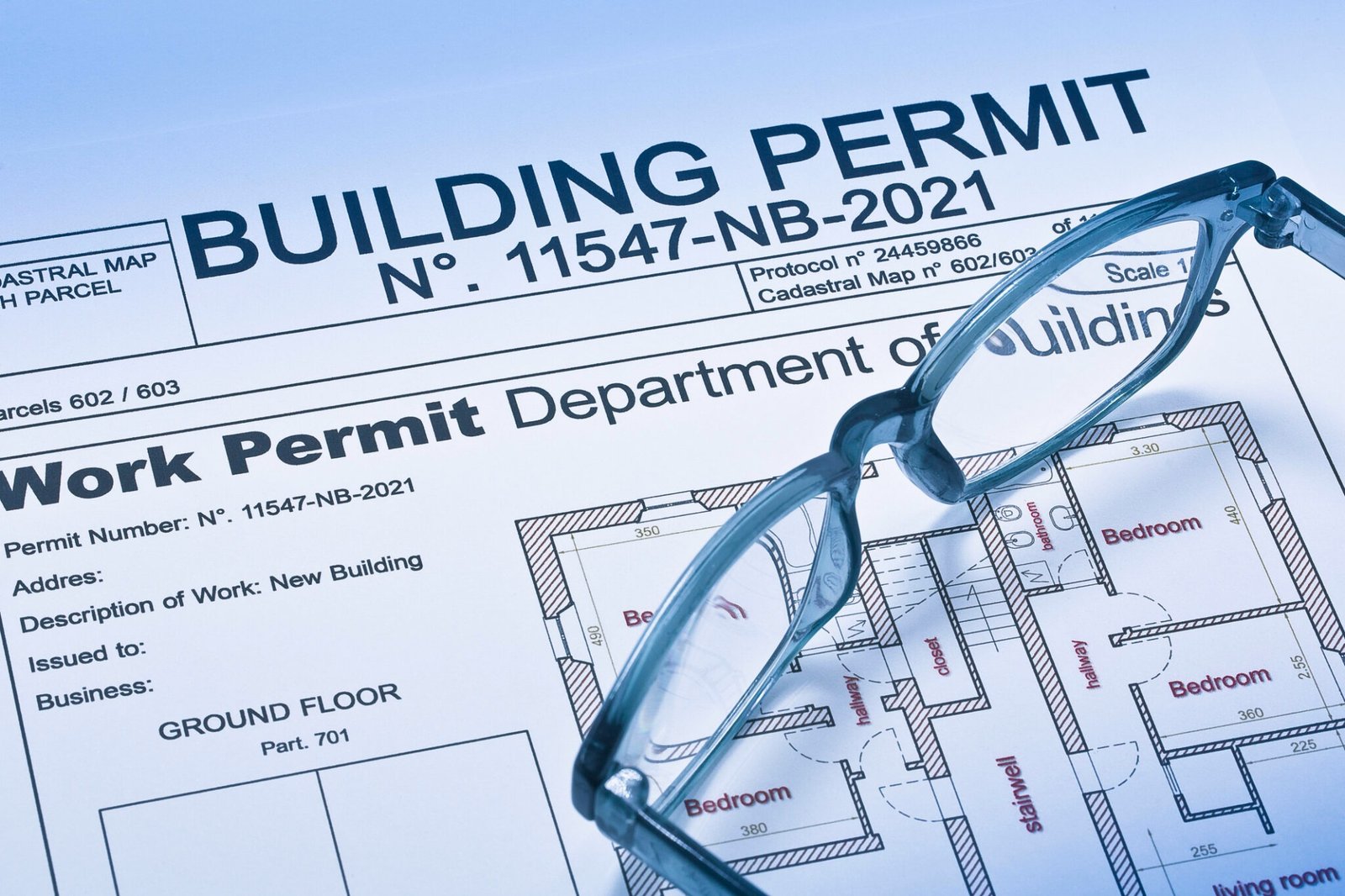
If you’re planning work on a building inside one of DC’s historic districts, you’re not just dealing with DCRA. Before DCRA issues permits in DC for exterior alterations, additions, or new construction in designated zones, the Historic Preservation Review Board needs to approve the design first.
A lot of applicants figure this out late. They submit plans, wait on DCRA, then learn they need a Certificate of Appropriateness from HPRB first. At that point, the timeline has already slipped.
What HPRB Is
HPRB is a nine-member board that reviews applications involving historic landmarks and contributing buildings inside DC’s historic districts. DC has 82 designated historic districts and over 600 individual landmarks. If your property sits inside one of those districts or carries landmark status, HPRB has jurisdiction over exterior work.
The board doesn’t evaluate structural engineering or code compliance. DCRA handles that. HPRB reviews design — specifically whether your proposed changes are visually compatible with the historic character of the property and surrounding district.
What the Board Actually Evaluates
HPRB works from DC’s Historic Preservation Guidelines, but the review isn’t a checklist. Reviewers look at five main areas.
Scale and massing. Rooftop additions draw the most conflict. HPRB requires additions to be set back far enough from the primary facade that pedestrians can’t see them from the public right-of-way. A two-storey rooftop pop-up on a three-storey Georgetown rowhouse gets denied. A single-storey addition set 10 feet back from the parapet has a real shot.
Materials. Replacing brick with painted stucco on an unpainted masonry building is a common denial. HPRB expects in-kind or compatible replacement materials. On window replacements, the board prefers wood-frame windows with true divided lites over aluminium or vinyl with simulated lites.
Shopfront alterations. For commercial buildings, reviewers check whether proposed changes erase the historic shopfront configuration. Removing transom windows, widening door openings beyond their historic proportions, or cladding masonry with new cladding systems all generate objections.
Reversibility. Additions should be removable without damaging the original historic fabric. This comes up most for individually landmarked properties, but it’s a factor in exterior work across historic districts too.
Visibility from public space. HPRB focuses on what the public can see from streets and alleys. A rear addition facing a private alley gets more latitude than one facing a historic streetscape.
Timeline
HPRB meets roughly once a month, on the fourth Thursday. Administrative reviews, for smaller or routine work, move faster. A full board hearing adds eight to twelve weeks from submission to COA — sometimes more if the board requests revisions.
The COA must be in hand before DCRA process your building permit. Applicants who submit to both simultaneously sometimes get partial DCRA review moving, but the permit won’t be issued until HPRB clears. For anyone working against an opening date, those weeks cost real money.
This is where commercial permitting services that know the HPRB process make a tangible difference. Not by skipping review, but by submitting drawings that get through without revision cycles. Some projects that qualify for administrative review end up at full board hearings because the initial submission wasn’t designed for how HPRB staff actually read applications.
Case Study: Capitol Hill Restaurant Buildout
A restaurant operator leasing space on Barracks Row (8th Street SE) needed to modify the historic shopfront for an ADA-compliant entry and updated facade signage. The property sits inside the Capitol Hill Historic District.
The initial design proposed an aluminium shopfront system in a modern profile. Without a pre-application meeting, the drawings went straight into the DCRA review track. HPRB staff flagged the aluminium system before it reached the board. A permit expediter was brought in, the drawings shifted to a steel shopfront system with a profile consistent with nearby historic examples, and the application moved to administrative review instead of a full board hearing. That single change saved roughly six weeks.
Case Study: Dupont Circle Office Renovation
A property owner on P Street NW proposed a rooftop mechanical penthouse on a four-storey office building inside the Dupont Circle Historic District. The first set of plans showed the penthouse flush with the front parapet.
HPRB’s 45-degree rule requires rooftop additions to be invisible from the sidewalk when viewed at a 45-degree angle from the opposite curb. The design team revised the penthouse position and reduced its footprint. The revised application passed the board in a single hearing. Permits in DC for the structural and mechanical work followed within 30 days of COA issuance.
About Permit Division
Permit Division is a permit expediting and construction consulting firm founded in 2014, based in White Plains, Maryland. The firm handles commercial permitting services across DC, Maryland, and Virginia, working with restaurant operators, developers, and property owners on projects that require complex regulatory coordination. With direct experience before DCRA and HPRB, Permit Division prepares submissions designed to clear review without costly revision cycles.
See Also; Your Countertop Shop’s Workflow Is Lying to You. Here’s How to Fix It
Frequently Asked Questions (FAQs)
Does every DC historic district use the same HPRB guidelines?
No. Each district has its own design guidelines document. Capitol Hill, Georgetown, and Dupont Circle each have separate guidance that HPRB applies alongside the city’s general historic preservation standards. A detail that passes in one district may not work in another.
Can I get expedited permits if my project also needs HPRB approval?
DCRA offers expedited review tracks for certain permit types, but those don’t accelerate HPRB’s calendar. A board hearing still happens on its own schedule. The practical way to compress the total timeline is a clean HPRB application on the first attempt, avoiding the revision-and-resubmit cycle that eats weeks.
What’s the difference between administrative review and a full board hearing?
HPRB staff can approve minor or routine alterations without a full board hearing. More significant work, or any work on individually landmarked properties, goes before the nine-member board. Administrative review is faster, typically by four to six weeks.
Does HPRB review interior alterations?
For contributing buildings inside historic districts, generally no. HPRB jurisdiction covers the exterior. For individually landmarked properties, interior alterations may require COA review depending on scope.
What happens if I do exterior work in a historic district without a COA?
DCRA can issue a stop work order and require you to restore the property to its prior condition. Owners have paid substantial fines and been ordered to reverse unpermitted alterations at their own expense. Enforcement has gotten more consistent over the past several years — the board takes unapproved alterations seriously.
Start the HPRB process with a submission that doesn’t need a second chance.
Permit Division handles pre-application coordination, drawing review guidance, and full permitting support for commercial and residential projects across DC’s historic districts. Get in touch before work starts.